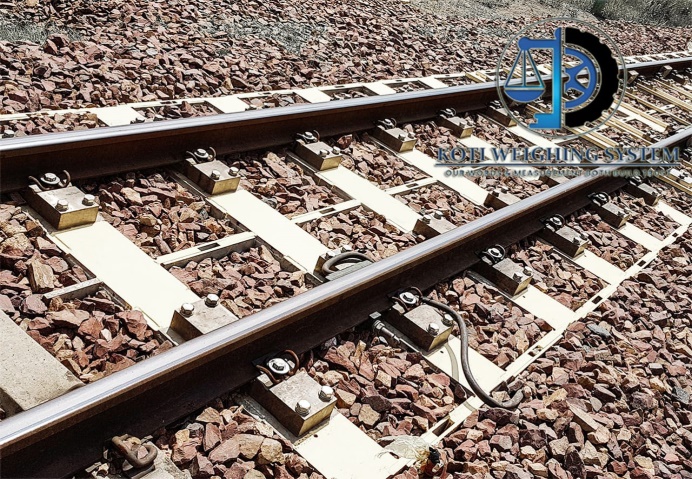
In Motion Weighbridge
An In-Motion Weighbridge (IMW) is a type of weighing system that can measure the weight of a moving vehicle without requiring it to stop. This is done by using sensors placed in the road that detect the weight of the vehicle as it passes over them. The main components of an in-motion weighbridge include sensors, a data processing system, and a display unit. The sensors are typically placed in the road and are connected to the data processing system, which processes the weight data and calculates the total weight of the vehicle. The display unit provides the weight readings to the user. In-motion weighbridges are commonly used in high-traffic areas such as toll plazas, ports, and border crossings. They can also be used on highways to monitor the weight of trucks and other commercial vehicles. By allowing vehicles to be weighed without stopping, in-motion weighbridges help to reduce congestion and improve traffic flow. One of the advantages of in-motion weighbridges is their ability to detect overweight vehicles in real-time. This allows authorities to take immediate action to enforce weight restrictions and prevent damage to roads and bridges. In addition, in-motion weighbridges are more efficient than traditional weighbridges because they can weigh a larger number of vehicles n a shorter amount of time. Overall, in-motion weighbridges are an important tool for ensuring that vehicles are carrying safe and legal loads, and for protecting infrastructure and public safety. They offer a fast and efficient way to weigh vehicles without disrupting traffic flow, and can help to prevent damage to roads and bridges caused by overweight vehicles.